

Almost ten years ago, 40 student-athletes gathered in the living room of a two-bedroom apartment near Georgetown University. Their goal: fight alarmingly high, increasing rates of HIV transmission in our nation’s capital the best way that they knew how –through sports. Drawing inspiration from his volunteer experience with Grassroot Soccer in South Africa, the group’s leader, Tyler Spencer, wanted to use sports to educate people about HIV and AIDS prevention in a language that they could understand. At the time, 1 in 20 adults in DC were living with HIV, and the rate among teenagers was on the rise.
“There was only one other organization doing school-based HIV prevention work with kids,” said Spencer. “So, there was a huge need in DC, and I felt really excited about taking the Grassroot Soccer model and adapting it to make a difference at home.”
To call this group of Georgetown soccer players, football players, basketball players, field hockey players, rowers, swimmers and golfers a “grassroots” organization would be an understatement. Despite their lack of funding and uncertainty in starting and running a non-profit organization, the 18 to 21-year-olds persisted. Much of the initial program cost fell on Spencer. He took a temp job working with the Association of Schools of Public Health, and with the support of the athletic community, they facilitated their first sexual health program in The School Without Walls at Francis-Stevens in the Spring of 2009.
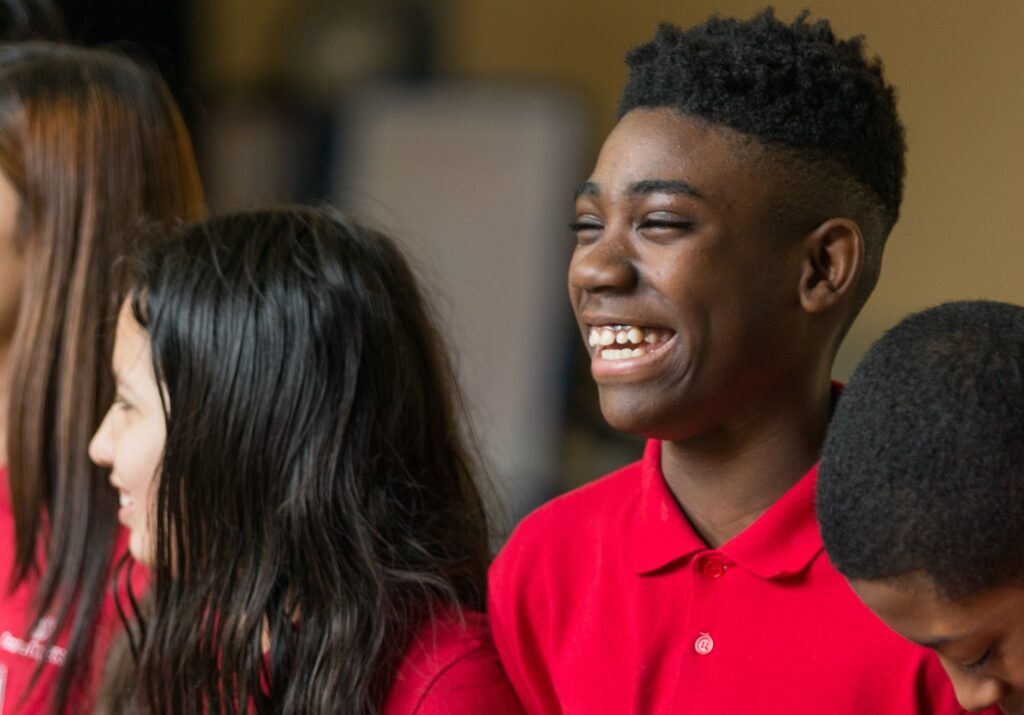
Today, The Grassroot Project’s?innovative model continues to employ non-traditional health educators — NCAA student-athletes — to create a fun, friendly and safe environment in which participants learn how to live healthier lifestyles. The peer to peer education method creates an open environment for participants to share their beliefs on sensitive topics such as HIV/AIDS testing and prevention, sexual consent, dating violence, and healthy relationships. The use of sports as a vehicle for social change, and the ability of the student-athlete leaders to connect with the youth and their families are what make this an effective way of learning.
“Being part of the Catalogue has not only helped us to build relationships with philanthropists in DC who care about youth development and health education, but it has also helped us to grow as an organization,” said Spencer. “The first time we applied, we were only reaching 4 schools in DC, and we struggled to manage our programs and partnerships because we had no full-time staff. Since being named part of the?Catalogue…we have operated our programs in more than 60 schools and community centers across the city, and we have reached more than 5,000 DC teenagers with free health education and health services.”
TGP’s?corps of volunteer student-athlete program facilitators has expanded from Georgetown University to now also include student-athletes from The George Washington University, American University, Howard University and the University of the District of Columbia.
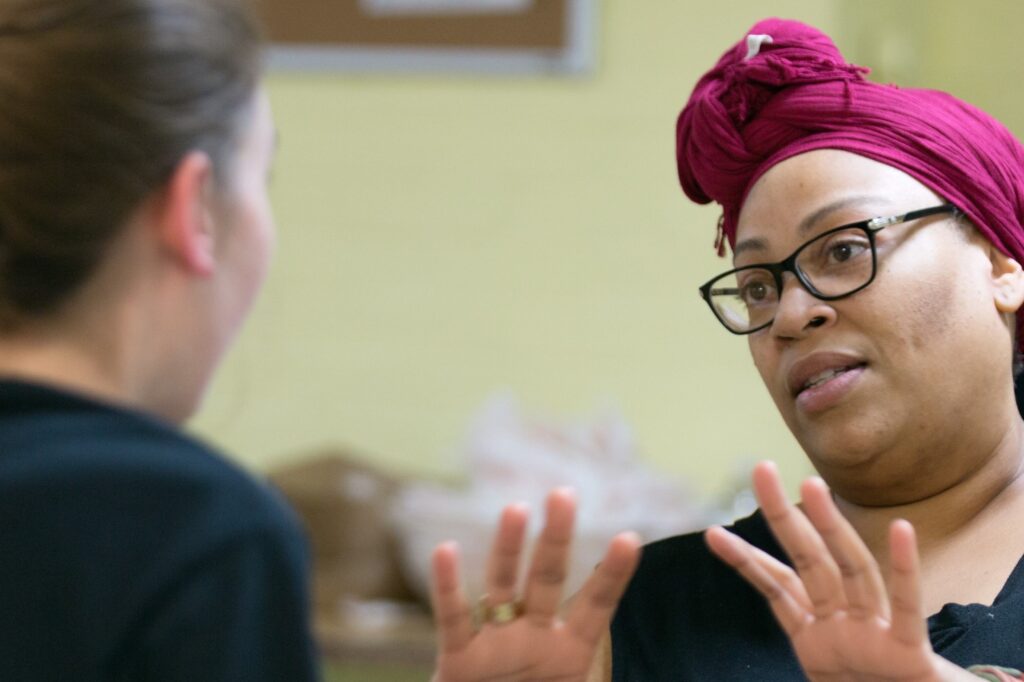
Most recent additions to the organization include Grassroots Connect — an end-of-program graduation celebration and linkage to local health care event — as well as Grassroots Fam — an after-school parent/caregiver program that provides similar interactive learning opportunities including sexual health basics, as well as building a parental support system by practicing proper parent-child communication.
“One of the first things our students learn in each program is how important it is to ‘take action in your community,’ and I think that that phrase sums up the mission of Grassroots perfectly,” said Isabel Rose, senior Leader Team member. “This year, TGP took several huge steps that allowed us to take even more action in our community, and that meant that I could help make a much bigger difference than I had initially thought possible.”
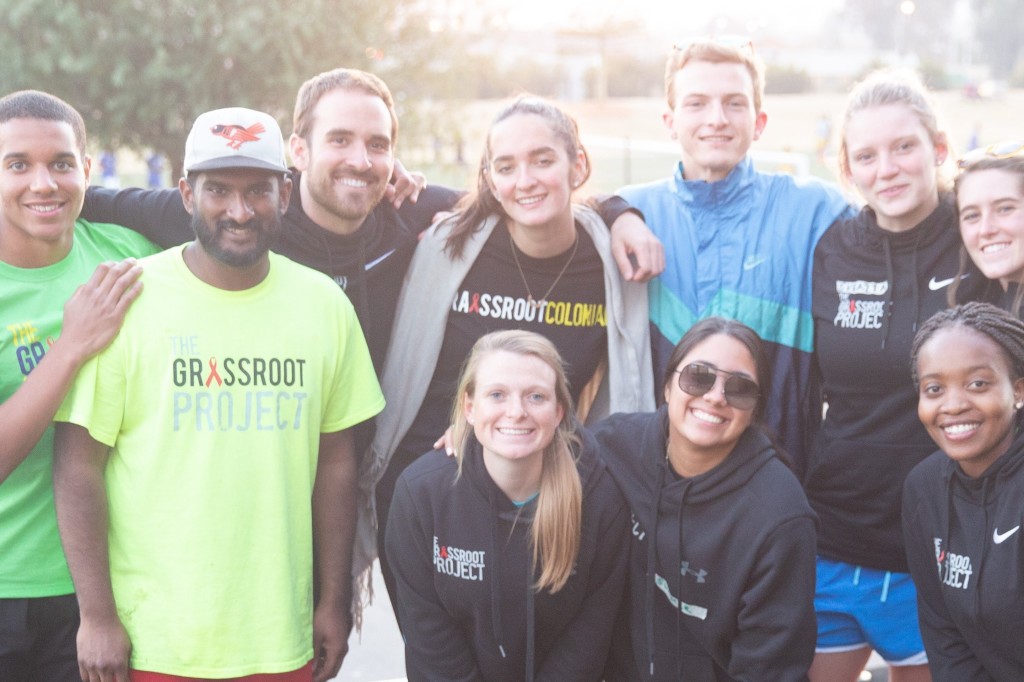
During the summer of 2018, the organization introduced its first Master Trainer program — a team of exemplary student-athletes who’ve undergone an intensive training on social issues in DC, sexual and reproductive health basics, and behavior management skills in middle schools. The Master Trainers traveled to South Africa this summer to learn from partner organization, Grassroot Soccer, about best practices for training new student-athlete facilitators.
“As a student, as an athlete, as a new resident in DC, it is my job to give back to the community that has been so welcoming to me,” said Callie Fauntleroy, a sophomore volleyball player at The George Washington University. “I have learned more here in my 8 months with TGP than I have in any other experience.”
What started as a true grassroots organization has morphed into a robust network of students, athletes, and alumnae who are educated about living healthier lifestyles in their communities.
“The Catalogue has been and will continue to be helpful in preparing us for to make an even greater impact on our city,” said Spencer.


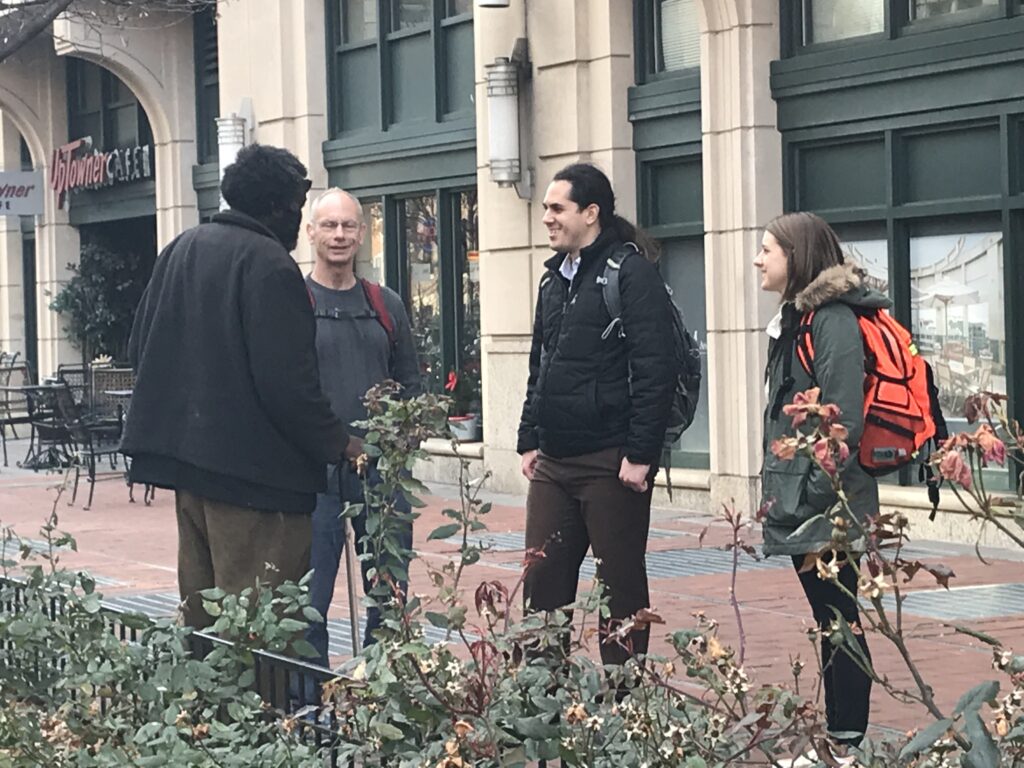 On a chilly afternoon this past December, I accompanied GMC Executive Director, Gunther Stern, and GMC Consultant Psychiatrist, Dr. John Tarim on street outreach (a program where GMC staff check on and visit with individuals experiencing homelessness outside of the Center, directly on the streets). We’d been walking for about an hour and as we made our way down a street in West End, Gunther called out a greeting to an approaching figure — a large man, well over 6 feet tall and of a stocky build, walking with a cane. To protect his privacy, we’ll call him Ed.
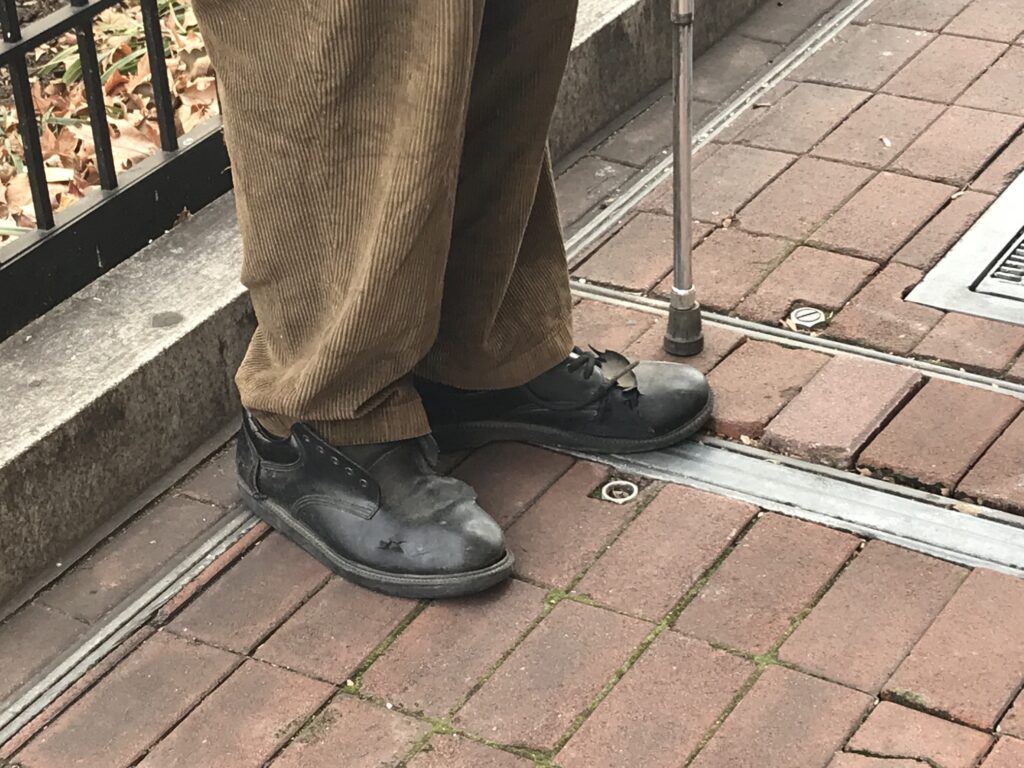 I happened to glance down toward Ed’s feet at the same moment Gunther asked, “How are your shoes holding up?” It was a gentle but pointed inquiry. The answer was obvious to all of us without Ed saying anything. His black, leather shoes were well beyond the point of “holding up” — they were literally falling apart. Only his left shoe had a shoelace. Threads were coming out of the seams on both soles and there were large gaping cracks in the leather on both shoes. The hole on the top of his left shoe was so large that I wondered how it was staying on his foot, let alone providing any protection from the cold.
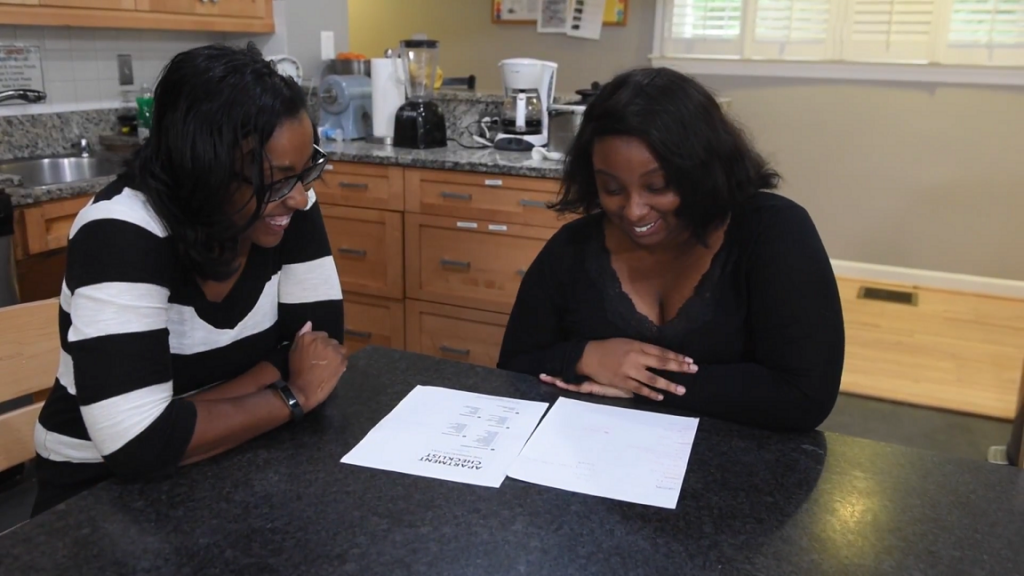 Founded in 1978,
  Did you know that one in three teens in the United States experiences dating violence
 February is Teen Dating Violence Awareness Month. “Teen DV Month (sometimes called TDVAM) is a national effort to raise awareness about abuse in teen and 20-something relationships and promote programs that prevent it,” writes
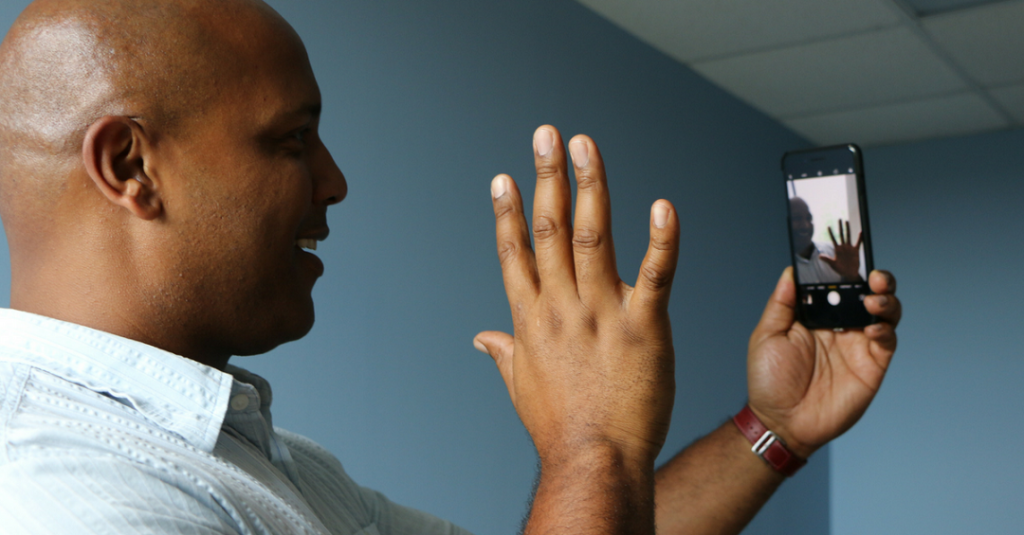 Step 3: Post your selfie and tag 5 friends to join you to multiply your impact!


 Traveling Players Ensemble puts the “camp” back in “summer camp.” Our no-phone policy allows performers to learn high-level language skills, teamwork, camaraderie, and problem solving skills, all while creating lifelong friendships and a deep love and stewardship of the great outdoors. Our teaching artists return yearly to help our kids create theater and watch them grow as artists and people over the summer, and then from year to year as so many campers return to Traveling Players again and again!
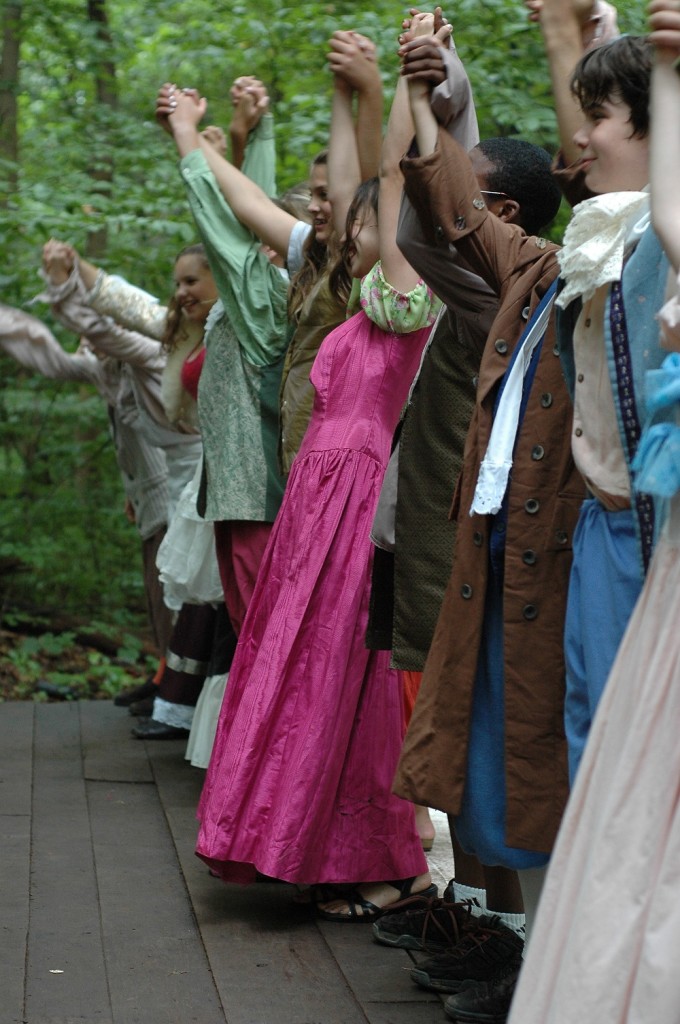 We may not be preparing for the arrival of the Queen and her elves, but we are a resilient community of performers, teaching artists, staff, and families. Our community responded to the flood with a brigade of volunteers who laundered and salvaged costume pieces. Alums and staff rolled up their sleeves to excavate the storage space with no heat and no bathrooms. Families, alumni, and friends banded together to donate more than $6,000 in a week.

 The Community Bridges Mentoring Program connects positive female role models with diverse high school girls for an impactful mentoring experience.
  Below, read the story of Community Bridges mentor Margo and her mentee Etsube to find out why mentoring matters to them.