Skip to main navigation

Catalogue Blog

The Grassroot Project: Using Sports to Promote Sexual Health and Positive Youth Development in DC

Photo1

Almost ten years ago, 40 student-athletes gathered in the living room of a two-bedroom apartment near Georgetown University. Their goal: fight alarmingly high, increasing rates of HIV transmission in our nation’s capital the best way that they knew how –through sports. Drawing inspiration from his volunteer experience with Grassroot Soccer in South Africa, the group’s leader, Tyler Spencer, wanted to use sports to educate people about HIV and AIDS prevention in a language that they could understand. At the time, 1 in 20 adults in DC were living with HIV, and the rate among teenagers was on the rise.

“There was only one other organization doing school-based HIV prevention work with kids,” said Spencer. “So, there was a huge need in DC, and I felt really excited about taking the Grassroot Soccer model and adapting it to make a difference at home.”

To call this group of Georgetown soccer players, football players, basketball players, field hockey players, rowers, swimmers and golfers a “grassroots” organization would be an understatement. Despite their lack of funding and uncertainty in starting and running a non-profit organization, the 18 to 21-year-olds persisted. Much of the initial program cost fell on Spencer. He took a temp job working with the Association of Schools of Public Health, and with the support of the athletic community, they facilitated their first sexual health program in The School Without Walls at Francis-Stevens in the Spring of 2009.
Photo2_1

Today, The Grassroot Project’s?innovative model continues to employ non-traditional health educators — NCAA student-athletes — to create a fun, friendly and safe environment in which participants learn how to live healthier lifestyles. The peer to peer education method creates an open environment for participants to share their beliefs on sensitive topics such as HIV/AIDS testing and prevention, sexual consent, dating violence, and healthy relationships. The use of sports as a vehicle for social change, and the ability of the student-athlete leaders to connect with the youth and their families are what make this an effective way of learning.

“Being part of the Catalogue has not only helped us to build relationships with philanthropists in DC who care about youth development and health education, but it has also helped us to grow as an organization,” said Spencer. “The first time we applied, we were only reaching 4 schools in DC, and we struggled to manage our programs and partnerships because we had no full-time staff. Since being named part of the?Catalogue…we have operated our programs in more than 60 schools and community centers across the city, and we have reached more than 5,000 DC teenagers with free health education and health services.”

TGP’s?corps of volunteer student-athlete program facilitators has expanded from Georgetown University to now also include student-athletes from The George Washington University, American University, Howard University and the University of the District of Columbia.
photo3

Most recent additions to the organization include Grassroots Connect — an end-of-program graduation celebration and linkage to local health care event — as well as Grassroots Fam — an after-school parent/caregiver program that provides similar interactive learning opportunities including sexual health basics, as well as building a parental support system by practicing proper parent-child communication.

“One of the first things our students learn in each program is how important it is to ‘take action in your community,’ and I think that that phrase sums up the mission of Grassroots perfectly,” said Isabel Rose, senior Leader Team member. “This year, TGP took several huge steps that allowed us to take even more action in our community, and that meant that I could help make a much bigger difference than I had initially thought possible.”
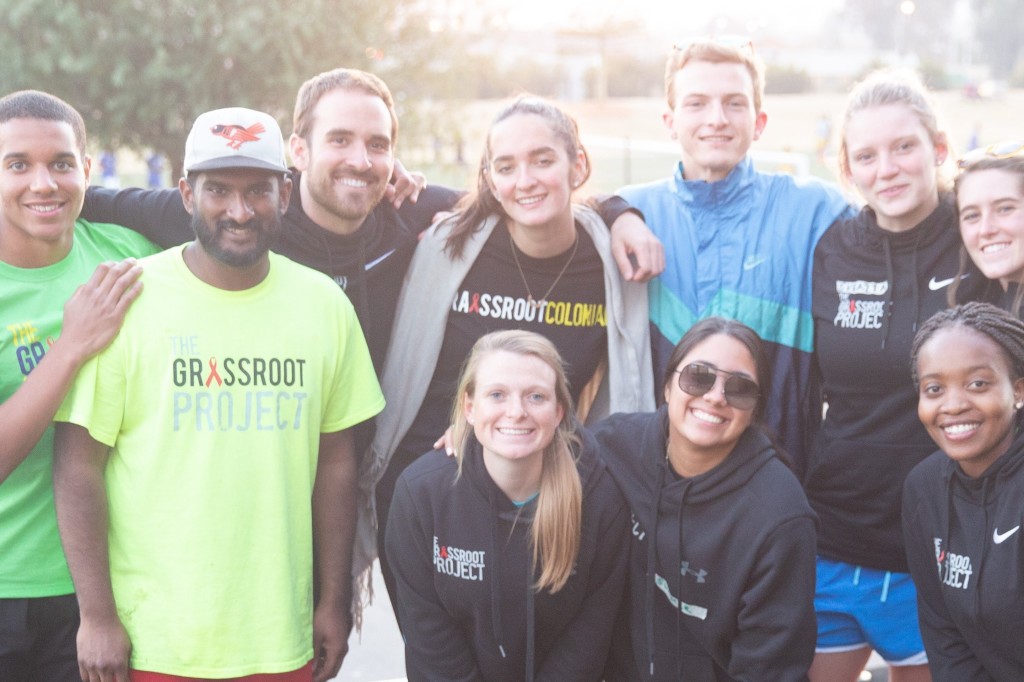
Photo4

During the summer of 2018, the organization introduced its first Master Trainer program — a team of exemplary student-athletes who’ve undergone an intensive training on social issues in DC, sexual and reproductive health basics, and behavior management skills in middle schools. The Master Trainers traveled to South Africa this summer to learn from partner organization, Grassroot Soccer, about best practices for training new student-athlete facilitators.

“As a student, as an athlete, as a new resident in DC, it is my ​job​ ​to give back to the community that has been so welcoming to me,” said Callie Fauntleroy, a sophomore volleyball player at The George Washington University. “I have learned more here in my 8 months with TGP than I have in any other experience.”

What started as a true grassroots organization has morphed into a robust network of students, athletes, and alumnae who are educated about living healthier lifestyles in their communities.

“The Catalogue has been and will continue to be helpful in preparing us for to make an even greater impact on our city,” said Spencer.
Adams Morgan was a Completely Different Place 45 Years Ago

jubilee2

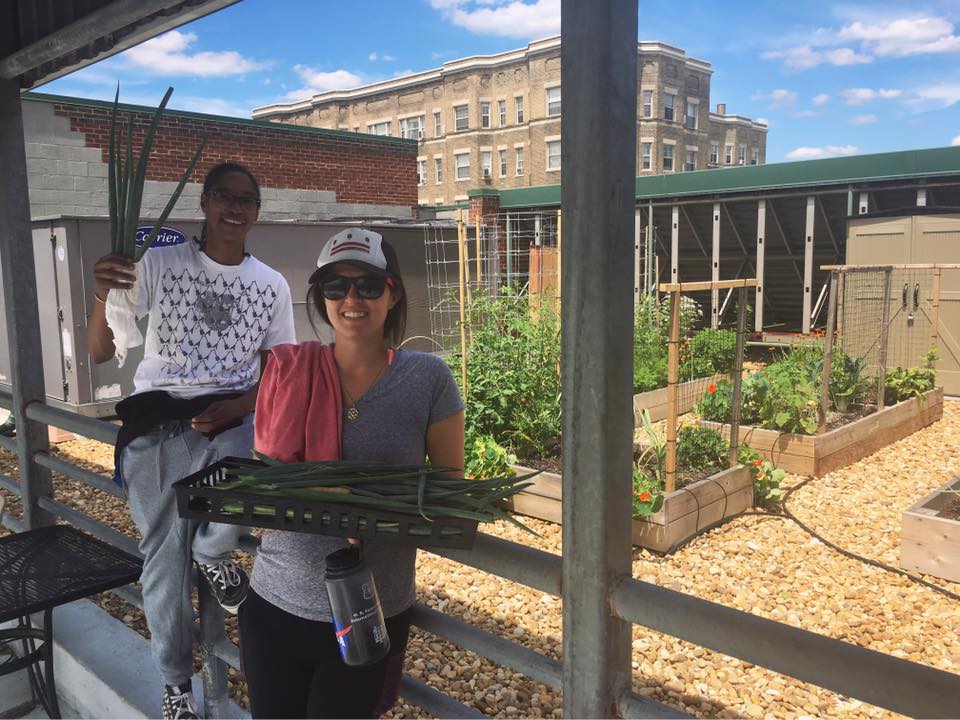
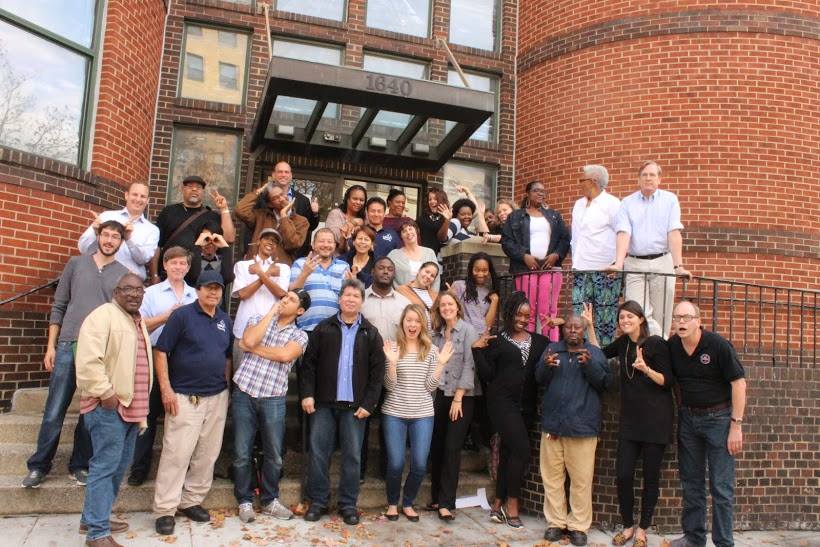
Before the close proximity to public transportation and nightlife, a few hopeful members of the Church of the Savior saw promise in the 20009 zip code. They saw a need for safe, clean, affordable housing and responded.

Eventually they pooled their resources and purchased two buildings in Adams Morgan — The Ritz and The Mozart. This was the start of what we now know as Jubilee Housing. Since then, the organization has purchased and developed nine buildings with a tenth building under construction. In addition to providing permanent, deeply affordable housing in a thriving neighborhood, Jubilee also provides after-school programming and summer camp for the children of working families, counseling for individuals looking to stabilize their financial status, and supportive housing for people returning home after incarceration.

Washington, DC?is experiencing a period of unprecedented growth and development. Unfortunately, not everyone is benefiting from this prosperity. Today, one-fourth of DC residents earn less than a living wage. Market-rate rents in Adams Morgan range between $2,500 to $4,000 a month, which is far beyond the reach of District residents with the lowest incomes.

With a new?five-year plan, Jubilee Housing is determined to create a city where everyone can thrive. One of the most ambitious goals of the plan is to create an additional 100 units of deeply affordable housing, in Adams Morgan, Mount Pleasant, and Columbia Heights, over the next five years.

jubilee3

In a city where big developers are fighting for the chance to turn old properties into luxury condos, this is a tall order. To make these 100 units a reality Jubilee launched an innovative financing tool — the Justice Housing Partners Fund. This $5 million dollar fund will provide quick-strike acquisition capital for bridge financing, enabling Jubilee Housing to compete with market forces and build 100 units of deeply affordable housing in high cost neighborhoods.

Jubilee is seeking social impact capital for the Justice Housing Partners Fund for three-year investment terms, with a 2 percent capped return. This will provide Jubilee the critical time needed to assemble permanent financing. Once Jubilee obtains construction financing for a project, the original investment can be repaid with interest or reinvested, if desired.

The Share Fund — a donor-advised fund of the Community Foundation for the National Capital Region — led the way with a $1 million match investment, which inspired other institutional investors such as United Bank, which committed $250,000. To date, Jubilee Housing has raised over $2 million in commitments for the Justice Housing Partners Fund.

Jubilee Housing maintains that justice housingsm?— deeply affordable housing in thriving neighborhoods with onsite or nearby services — is a proven model that can keep our city diverse and make its communities equitable. Justice housing allows long-time DC residents to stay in their neighborhoods despite soaring rents, and for our city’s lowest income residents to move to communities with the most opportunity. The Justice Housing Fund makes it possible for DC to be a city where all races, ages, and incomes can thrive.

Registration Open for 6th Annual Teddy Bear 5K & 1K Walk/Run!

Group-Running resized for web

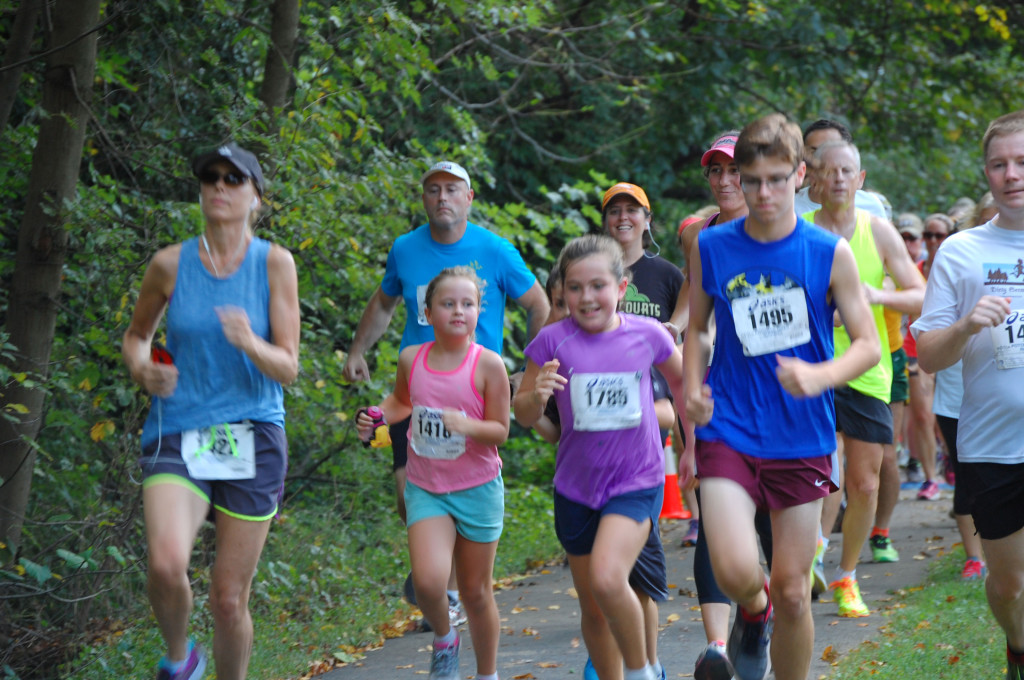
Registration is currently open for runners and walkers of all ages for the 6th AnnualTeddy Bear 5K & 1K Walk/Run?on Sunday, September 23, 2018. The race that awards all participants a pint-size teddy bear when they cross the finish line this year moves to the morning with the 5K starting at 8 a.m. and the 1K starting at 9:15 a.m.

To register to run or walk, or to volunteer at the event, go to www.tinyurl.com/TeddyBear5K-1KWalk-Run

Note that children under 12 must be accompanied by a registered adult in either the 1K or the 5K. The 5K also includes a stroller division.

The 5K course takes runners through the shaded Pimmit Hills neighborhood, west of Falls Church City. Runners are urged to check in at the registration booth behind the Falls Church-McLean Children’s Center at 7230 Idylwood Road and participate in the Teddy Bear parade at 7:45 pm to the 5K Start/Finish Line in Pimmit Hills Park, between Arch Drive and Griffith Road.

The 1K course follows awards to 5K winners, starting on the field behind the Children’s Center (also home of Lemon Road Elementary School.)

5K runners, boys and girls in 6 age groups for children, from ages 6 to 18, and males and females in 7 age groups for adults, will be eligible for prizes from local businesses, including gift certificates to: Panjshir Restaurant and Hilton Garden Inn of Falls Church; The Greek Taverna, Assaggi Osteria, Cafe Oggi, and Kazan Restaurant of McLean. For kids: A shopping spree at Doodlehopper Toy Store, a Soccer Party with Golden Boot, and more.

Proceeds of the event support Falls Church-McLean Children’s Center, a high-quality, nonprofit preschool dedicated to giving young children from low- and moderate-income, working families the strong start they need to be ready for success in school and in life.

Several local individuals and businesses are generously sponsoring the event including Ric and Jean Edelman, Anne Kanter, State Farm Insurance Agent Lynn Heinrichs, VA Delegate Marcus Simon, Hyphen Group, Chain Bridge Bank, Net E, Senior Housing Analytics, Susan and Donald Poretz, Powell Piper Radomsky, Berman & Lee Orthodontics, Lewinsville Presbyterian Church, Drs. Love and Miller, Digital Office Products, and VA 529. Sponsorships are still available by calling 703/534-4907 before August 30 to have logos printed on runner t-shirts.

Founded in 1969, Falls Church-McLean Children’s Center is celebrating its 50th year of providing an affordable, comprehensive, full-time early childhood education program designed to give all children, regardless of their family’s financial resources, a strong foundation on which to build the rest of their lives. For inquiries about openings this fall, call 703/534-4907.

A Lifelong Friendship in the Arts and Humanities

DC Arts Collaborative

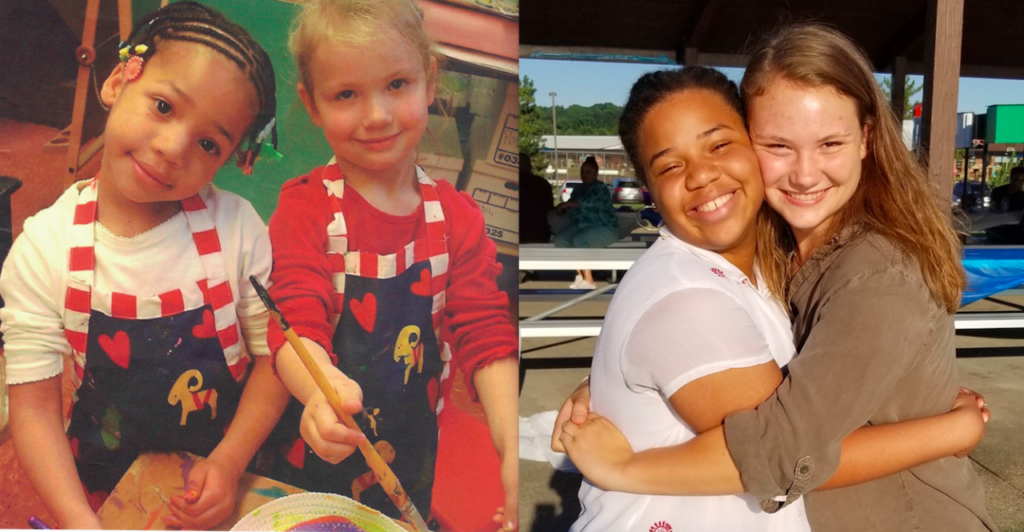
Every year, DC Collaborative serves thousands of students in the hope that we can encourage them to embrace and pursue the arts and humanities. We were delighted to discover the story of Cameron Gray and Erin Fenzel, two students who have demonstrated exactly that!

At the age of 4, they started school together at Peabody Elementary School. They had attended one of our AHFES field trips, where a picture of them painting together (above) eventually made it onto the cover of the 2007-2008 issue from Catalogue for Philanthropy. Fast forward 14 years later. After going through middle school and high school together, they recently graduated this year from School Without Walls, which is ranked the #1 Top Performing High School in the District and #51 in the country. Their pursuit of education doesn’t end there. This fall, Cameron is headed to Syracuse University in New York to study Film, while Erin will go to Saint Joseph’s University in Pennsylvania to study International Relations.

The DC Collaborative team is so proud of where these two students are going and we wish them the best for their futures. We’d like to give a special thanks to their parents and Catalogue for Philanthropy for sharing this wonderful friendship to us! If you know of any students have participated in our program and where they are now, please reach out to us at info@dccollaborative.org – we’d love to follow up with them.

{Blog post has been reposted with permission from the DC Arts and Humanities Education Collaborative blog.}

Casa Chirilagua: ‘Yo Hablo Ingles’ English Language Learning Program

casa

“I’ve never been to the National Mall before,” said Juan, as he sat on the Metro heading towards the Smithsonian.

“Now that I know how to ride the Metro, this will be easier to come by myself,” his friend Pedro declared. Soon they would both be experiencing the National Mall for the first time in their lives.

They were among the sixteen students from Casa Chirilagua‘s Yo Hablo Ingles English Language Learning program to take a field trip to DC in late April. Soon they would be seeing the sites and practicing their English through a scavenger hunt. Volunteers from Restoration City Church accompanied their peers to support each student with their English skills.?Students arrived on the National Mall in wonderment, marveling at the beauty of the famous horizon. Some began taking photos of the Washington Monument while others pointed out, “Look at the water! Look at the ducks!”

Their first stop was the National Museum of Natural History. When students entered, they were immediately greeted by Henry, the museum’s elephant. They were impressed by the rotunda and began to explore this area and take photos. For many of the students this was their first time to the museum.

“It was really awesome!” exclaimed Marilu, “I need to come back with my daughter.”

During their trip students practiced English by finding exhibits in a scavenger hunt and earning points for each discovery. Various animals were among the exhibits as well as the famous Hope diamond. More photos ensued!

Afterwards, the students enjoyed a sunny picnic in front of the National Monument. Reflecting on this visit, Maria noted that, “It was great to come on my own without my kids to explore and really enjoy the sites.”

This was particularly true for students who work in the city but have never had the opportunity to enjoy the museums and National Mall. A team of volunteers provided childcare back at Casa’s community center so that parents could enjoy this trip with their classmates.

Students took advantage of many opportunities to practice English conversation with the volunteers. They were very patient and helpful as students eagerly conversed with them. Later Mario commented, “It was beautiful to share with you…I tried to take away my fear. Thank you because even if you don’t understand me you try to talk with me. You are cool.”

Their final stop was the Jefferson Memorial. As they walked the Tidal Basin students were amazed by the surrounding trees and enjoyed the refreshing walk along the waterfront.

“It’s beautiful!” said Adriana as she saw the impressive marble monument in the distance.

“I love the tour!” Jose agreed. He was very excited as the group walked to the monument before the group returned to the Metro.

It was a joyful day as students deepened relationships with volunteers and each other while building stronger English language skills. As students bring their newfound language skills into the world they will have the confidence, support and knowledge to flourish. We are grateful for your support and to the amazing group of volunteers who make this possible. As Jorge says, “Thank you for your time that you are providing us for the trip. It was very nice! We learned a lot in the museum. God bless you.”

Building a Community within STEM: An unexpected result from our Latina SciGirls program

DJxvH0KW4AUeR1m

In 2016, the Children’s Science Center?was selected as one of sixteen science centers from across the U.S. to receive a grant from Twin Cities Public Television and the National Science Foundation to implement a program for young Latinas over the course of three years in conjunction with PBS SciGirls. We were confident that we could provide the girls in the program a fun, unique educational experience, but the unintended outcome of creating a supportive and caring community for these young girls, and the overall positive impact on staff and volunteers exceeded our expectations.

According to the National Center for Education Statistics 2012 report, Higher Education: Gaps in Access and Persistence Study, only 3.5% of bachelor’s degrees in STEM were earned by Hispanic females in 2010. This systemic underachievement in STEM can be attributed to several issues including: limited awareness, opportunities, and resources; existing perceptions about STEM; and lack of family involvement. Our Latina SciGirls program to begin tackling this important issue.

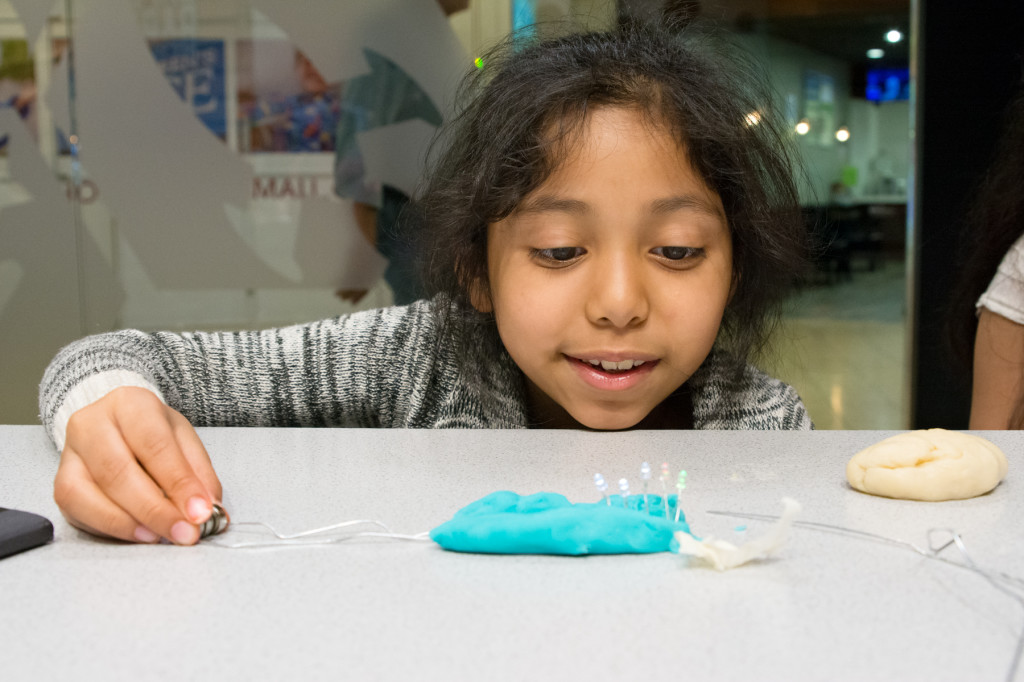
Latina SciGirls is a free program for Hispanic girls in grades 3-5 and their families that takes place twice annually over the course of several weeks at the Children’s Science Center Lab in partnership with local Title I elementary schools in Northern Virginia. Latina SciGirls is a culturally responsive program designed to address barriers that prevent Hispanic girls and their families from engaging in STEM and to promote a positive STEM identity. Critical elements of the program provide young Latinas with opportunities to engage with Latina STEM professionals to foster mentoring relationships and a parent education component to support their daughters’ interest and achievement in STEM.

Childsci Photo 4

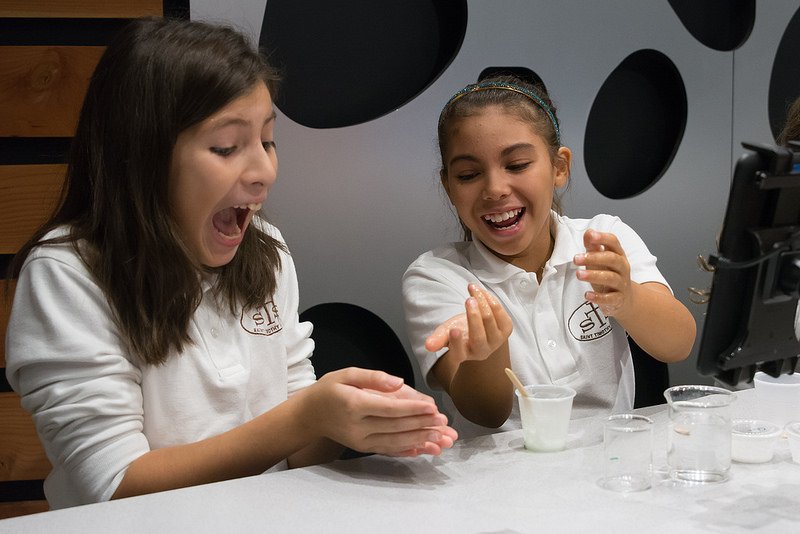
Latina SciGirls program begins with an open house event held at the elementary school. Students, parents, and families meet program staff and the Latina STEM mentors while participating in hands-on STEM activities. Each subsequent weekly session covers a different STEM topic: physical sciences, environmental science, engineering, forensics, biology, and chemistry. The Fiesta de la Familia event celebrates the end of the session with families, girls, program staff and the Latina STEM mentors for a night of hands-on STEM activities. The goals of the program are to increase access for Latinas and their families to positive STEM programming, and promote positive STEM identity development. To ensure regular attendance of the Latina SciGirls program, the Center provides complimentary dinner and transportation each week for the duration of the program.

Over the course of each session, the Center’s staff watch as the girls’ confidence in STEM grow. Our staff take pride in their ability to create a warm and safe environment where the girls feel empowered to take risks and share their thinking while exploring STEM. The girls are introduced to female role models that they would not otherwise encounter. Having access to professional Latina mentors who share their own stories of success and failure has proven beneficial to the program. Although the program focuses on STEM, the girls practice working collaboratively, and building relationships among peers and adults — important life skills for every child’s future. We hope the girls take this initial spark and continue their investigations into the world around them, especially as they enter the crucial middle-school years when STEM interest statistically plummets. We believe each girl leaves the program open to new experiences, ideas, and people, with increased confidence and a stronger sense of self. Many of the program’s alumna seek out additional STEM experiences to grow their newfound interest.

C3MUmyNXAAAkYbB

What started out as a program opportunity has evolved into a passion project. The Children’s Science Center has served over 100 young Latinas since 2016 and is grateful to Twin Cities Public Television, General Motors, and Leidos for their sponsorship. Latinos comprise 17% of Northern Virginia’s population. With this population steadily increasing, the Latina SciGirls program will continue to be in high demand. As the Center moves forward with the capital campaign to build a full-scale science center that will more adequately serve the region’s families, we also look forward to expanding the reach of significant programs like Latina SciGirls.

At the core of the Children’s Science Center‘s educational mission is a dedication to meeting the needs of all children, in particular reaching underserved and economically disadvantaged children who traditionally do not have access to private enrichment opportunities. The Center impacts over 70,000 annually with its community programs and the Children’s Science Center Lab. The vision of the Center is to build the region’s first world-class children’s science museum on donated land in Dulles, VA.

The Center is grateful for the enthusiastic participation of a community of volunteer mentors, who have come in to lead and facilitate our STEM activities and tell their own stories of success and failure. STEM mentors have included women from NASA, USDA, PBS, FBI, and the Virginia House of Delegates. There are many opportunities through the Center to volunteer and make an impact on our local community. Information can be found here.

After-School All-Stars DC: Helping students become more active, healthy and empowered

ASAS 3

Ward 8 is consistently burdened with the highest crime rates and lowest median incomes out of all wards within Washington DC, and while these instances are somewhat commonplace, the impact continues to be devastating. No group has been impacted more than the youth of the surrounding neighborhoods. Recent violence included a fatal shooting of a high school freshman, and a large fight immediately outside a DC public school called Somerset Prep DC. Somerset is one of seven school sites that After-School All-Stars Washington DC (ASAS DC) serves. While these events were occurring in Mid-May, our students at Somerset Prep DC, Leckie Education Campus, Charles Hart Middle School and John Hayden Johnson Middle School were provided a safe environment within their schools, and an opportunity to enrich themselves through education. After-School All-Stars provides comprehensive after-school programming to middle school students in neglected regions of the country. The DC chapter provides opportunities for students to participate in dynamic courses at no cost to them, and that were not previously available at their schools (e.g. drone engineering, robotics, healthy cooking, yoga, and music production to name a few). It also provides a safe space for our students during the most dangerous time of day, between 3-6 PM when young people within the community are most vulnerable to nefarious activities.

ASAS 2

But despite our in-school programming, tangible divides and bitter rivalries continue to permeate between the four schools we serve in Ward 8. This Spring our staff took it upon themselves to create events outside of our traditional programming, with an express focus on bridging the divide between the students at these schools. ASAS DC held a “carnival” Ward 8 field day event in response to the growing tension, where over 100 students and 25 parents were in attendance. Students participated in games, enjoyed performances from their peers, and were provided a chance to foster meaningful friendships with each other. Beyond spending time together, we also tie in our own values and purpose into events/initiatives. Two weeks after the field day event, students from the four Ward 8 schools gathered at Oxon Run Park, in the heart of South East DC. They participated in a clean-up project to pick up trash and improve the appearance of the park itself. ASAS DC students also completed several community-building activities that required collaboration, and expelling negative preconceptions about their peers from other schools. Most importantly, each student was given an opportunity to share their thoughts with the larger group on how they would solve these issues facing their neighborhood. Profound and meaningful sentiments were shared, with the consistent theme being that they should work together and embrace one another in the face of division and violence.

ASAS 1

ASAS DC is proud to serve the students of this diverse and vibrant community, and as we grow and build relationships throughout DC our hope is to bring these opportunities to every middle school student within the District.

A Young Performing Artist’s Dream Comes True

Screen Shot 2018-02-13 at 3.56.43 PMAt just 16 years-old, Mateo Ferro only dreamed of performing at The Kennedy Center in a Lin-Manuel Miranda Tony Award Winning musical. But, right now, he is rehearsing alongside stars like Vanessa Hudgens and Eden Espinosa for just that dream. Last month Broadwayworld.com and Playbill.com announced that Ferro was cast in the Washington, DC premiere of IN THE HEIGHTS, to run at The Kennedy Center from March 21st to March 25th.

Ferro has been a dedicated performing arts student since he was a student at Rocky Hill Middle School, but it wasn’t until he enrolled in Young Artists of America at Strathmore (YAA), a 2017-2018 Catalogue nonprofit, that his dream of professional performances was realized. Young Artists of America at Strathmore is the region’s premier training organization for collaborative performing artists. It is the only known program in the nation where high school students receive mentorship and individualized instruction from renowned artists while training to perform fully-orchestrated works of music-theatre in state-of-the-art venues. With campuses in Montgomery County, MD and Howard County, MD, students from all over the mid-Atlantic region participate in their Performing Ensembles, while many travel from overseas for their Summer Performing Arts Intensives.Screen Shot 2018-02-13 at 3.52.06 PM

Although Ferro only needed to travel from Clarksburg, MD, his experience at last year’s Summer Intensive set this dream in motion. Ferro was cast as the lead, playing Usnavi in YAA’s summer showcase production of IN THE HEIGHTS. His performance, which he perfected during the two-week summer intensive, made a lasting impression on YAA’s Founder and Artistic Director, Rolando Sanz. So much so, that when Sanz was contacted by The Kennedy Center’s Casting Director over the fall of 2017 in search of a young, local performer who could also rap, Sanz thought of Ferro immediately. The Casting Director then invited Ferro to audition for the role of Sonny, and Ferro was subsequently cast.

Read more about Ferro’s story in his own words and watch highlights of his performance here.

Learning Life Lessons with Friends of Fort Dupont Ice Arena

by Ty Newberry, Executive Director, Friends of Fort Dupont Ice Arena
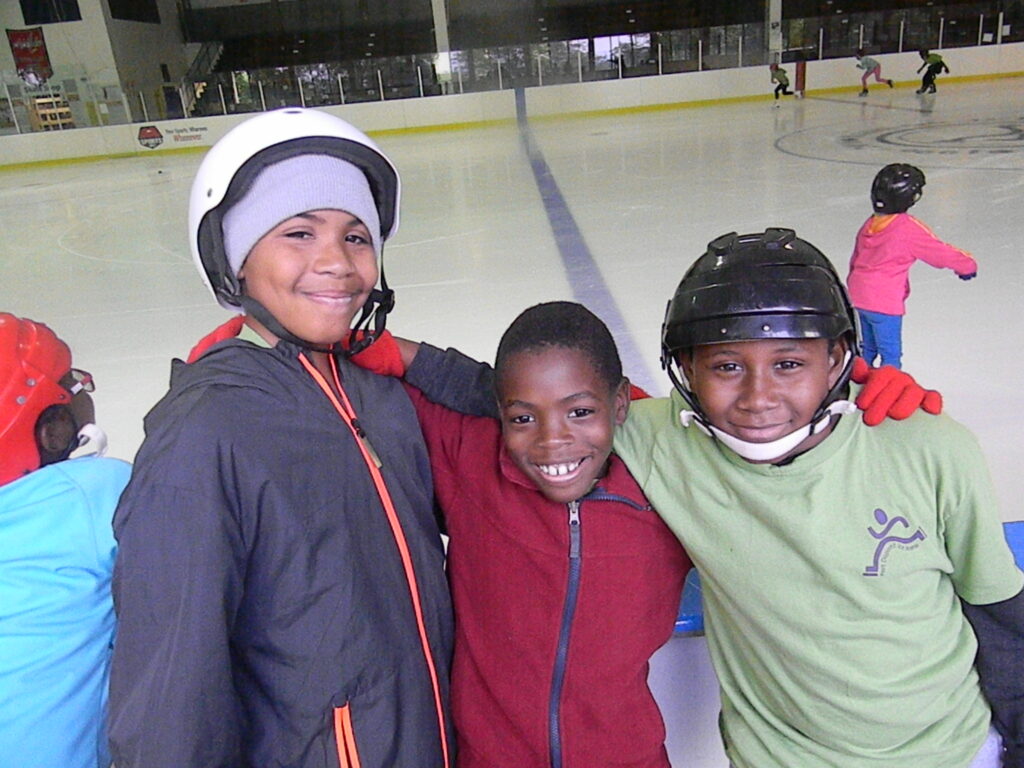
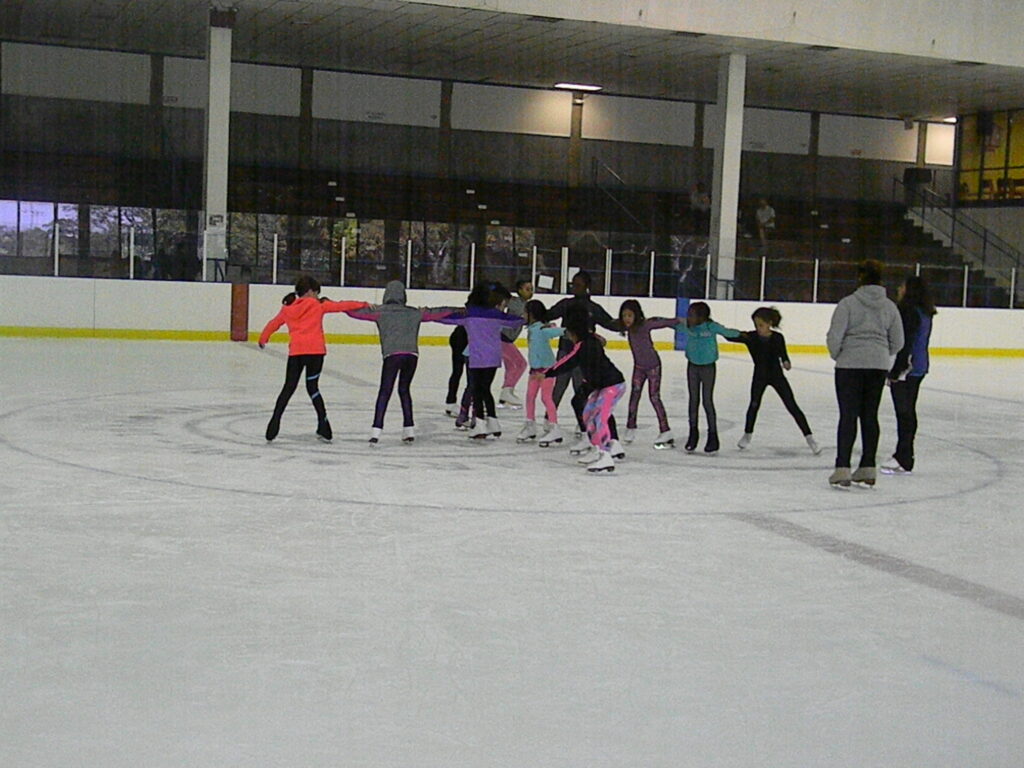
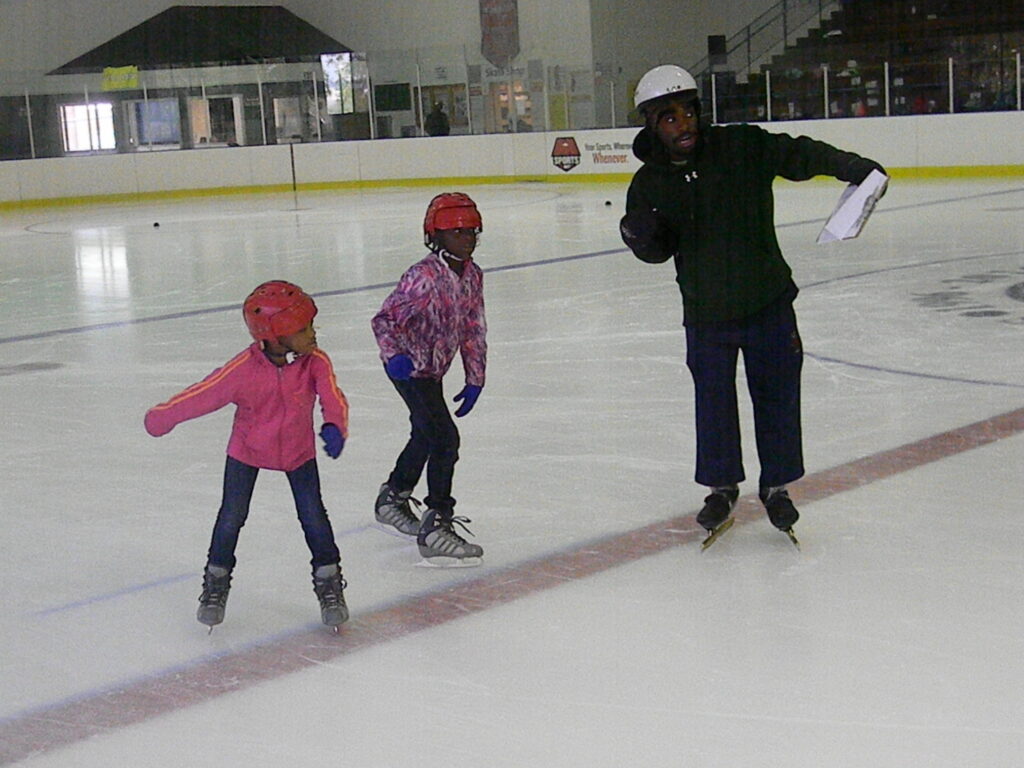
annual appeal photo 1Friends of Fort Dupont Ice Arena (FFDIA) is located in the heart of Ward 7 and serves 2,500 children annually; introducing them to ice skating, providing advanced instruction in ice hockey, synchronized skating, figure skating, and speed skating.
Approximately 60% of these children and teens live in or attend schools in underserved neighborhoods east of the Anacostia River in Washington, DC.

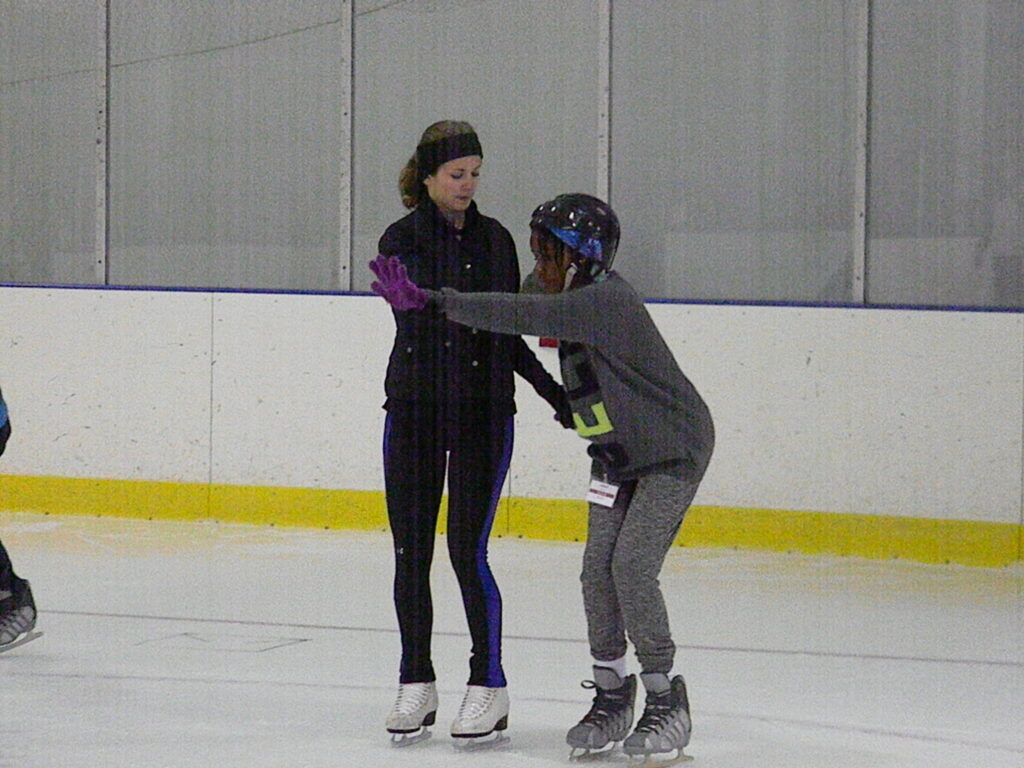
Kids On Ice (KOI) is a youth development program that uses sports to instill a positive self-image and the importance of an active and healthy lifestyle in children and youth ages 5-18. KOI teaches valuable life lessons beginning with a participant’s first steps on the ice. In the past 20 years, the number of skaters in our programs has grown from 11 to 2,500.

annual appeal photo 3

Skating provides multiple character-building opportunities and participants in KOI programs gain self-esteem while learning respect, fairness, reliability, courtesy, responsibility, sportsmanship, and the value of practice, and perseverance. Classes are taught in a group setting with children and youth ranging in age from 5 – 18 years, representing diverse racial and ethnic backgrounds.

Friends of Fort Dupont Ice Arena (FDIA) was established in 1996 to rescue the Fort Dupont Ice Arena in Southeast Washington, DC from closure. FDIA revitalized the arena and now operates the facility, providing a traditionally underserved neighborhood with an NHL-size ice rink, recreational and cultural activities, skating instruction and regular physical education programming for District schools.

The Fort Dupont Ice Arena is the only public indoor ice arena located in Washington, DC and is the only skating facility in the region that provides free skating programs to disadvantaged children. Our mission is to provide increased opportunity, education and inspiration to young people in Washington, DC and the surrounding area through ice skating and educational activities.

annual appeal photo 2

KOI consists of Learn To Skate or basic ice skating instruction, P.L.U.S. or advanced ice skating instruction, and Schools Skate For Fitness in which approximately 30 schools participate in physical education classes during the week. The Schools Skate For Fitness program allows for DCPS and Public Charter Schools to alternate typical gym time with an ice skating lesson. Camps are also available throughout the summer months. When kids succeed here, they know they can take that feeling and succeed in other places.

annual appeal photo 5

The opportunity to access a full-size ice rink in the inner city opens up a world of choices for kids who traditionally would not be able to participate due to the cost associated with ice sports. The best part of working at FFDIA is watching kids progress in skill level both on and off the ice while developing new friendships and learning life lessons in the process. Making a difference close to home happens every day in our warm, welcoming, supportive, diverse environment. Kids learn how to get up after falling down time and time again. They build critical self-confidence and self-esteem through off-ice programming that complements on-ice activities, all while being embraced by staff, volunteers, program participants, instructors, and parents.

Visit our website at fdia.org and call the rink at (202) 584-5007 to register your child for classes. Registration forms and complete information is readily available and accessible. All of our programming is from volunteer instructors; we truly value all of our volunteers because we know we could not do it alone. Volunteer opportunities vary and information can be provided upon request. Helping out our basic skills program or hosting a community service day with your company are just two of the various options. The facility is open to anyone during public skate times. Please follow us on Facebook,Twitter and Instagram.

What’s the next big idea? Young Social Entrepreneurs Pitch at LearnServe

by Emma Strother, Development Manager, LearnServe International
cfpdc2015-LearnServeInternational-5955-1840Immigration. Gentrification. Environmental issues. Teen mental health. Where will the next big idea originate? They can’t yet vote. They are years from becoming credentialed doctors, lawyers, and teachers. They may compete for jobs that have not yet been invented. But today they can begin as changemakers. In a moment when adults often feel powerless – overwhelmed by daunting social, environmental, and political challenges – how can we set a different tone for our young people? How do we challenge them to empathize, innovate, and persist when others say it can’t be done? How do we remind them that social change begins with them?

LearnServe Community 3 (1) At LearnServe, middle and high school students are not just the leaders of tomorrow. They’re the leaders of today. And in 30-second “elevator pitches” on December 7th, they will debut their plans to make a positive impact in their communities and schools.

LearnServe International believes in the power of young people to create change, and in the power of change work to shape young leaders. Through interconnected in-school, after school, and summer abroad trip programs, we train DC-area middle and high school students to be social entrepreneurs and global citizens, equipping them with the business skills, vision, and tenacity to tackle social challenges at home and abroad.
#StartsWithMe 2018 Fellows 1The LearnServe Innovator’s Coffee House is an opportunity to witness the start of our students’ social venture projects, meet the LearnServe community, and promote youth-led social innovation in the DC area. The event was held Thursday, December 7th at Impact Hub DC. Here is a video of the event. A special thanks to Impact Hub DC for providing the space for this event.

This is video from last year’s LearnServe Coffee House and some of the students most inspiring stories: https://www.youtube.com/watch?v=gQtxZITQkps&t=5s.

If you are inspired by what you see, we would love to meet you at the Coffee House! To learn more, visit our website at learn-serve.org, send an email to info@learn-serve.org, or connect with us on social media #learnserve @learnserve.